ULTRV

A minimalist blogging platform

No tracking. No algorithms. No noise. Just your writing.

Sign up·Log in·Explore

ULTRV is a minimalist blogging platform for the small web. You write a post, press publish, and a second later it is online at your own address. Nothing else asks for your attention: no follower count, no personalised feed deciding what you should read, and no engagement treadmill. Write something, publish it, move on.

It is a privacy-friendly blog platform in the literal sense. A published ULTRV blog reports nothing back to anyone — no analytics script, no ad network, no share widgets, no cookie banner for your readers to click through. Someone arrives, reads what you wrote, and leaves, and nobody counts them.

We think of this as part of the small web — the part of the internet still made by people, for people. Small web blogging is the older habit that never actually stopped: a person, a domain, and a page that loads.

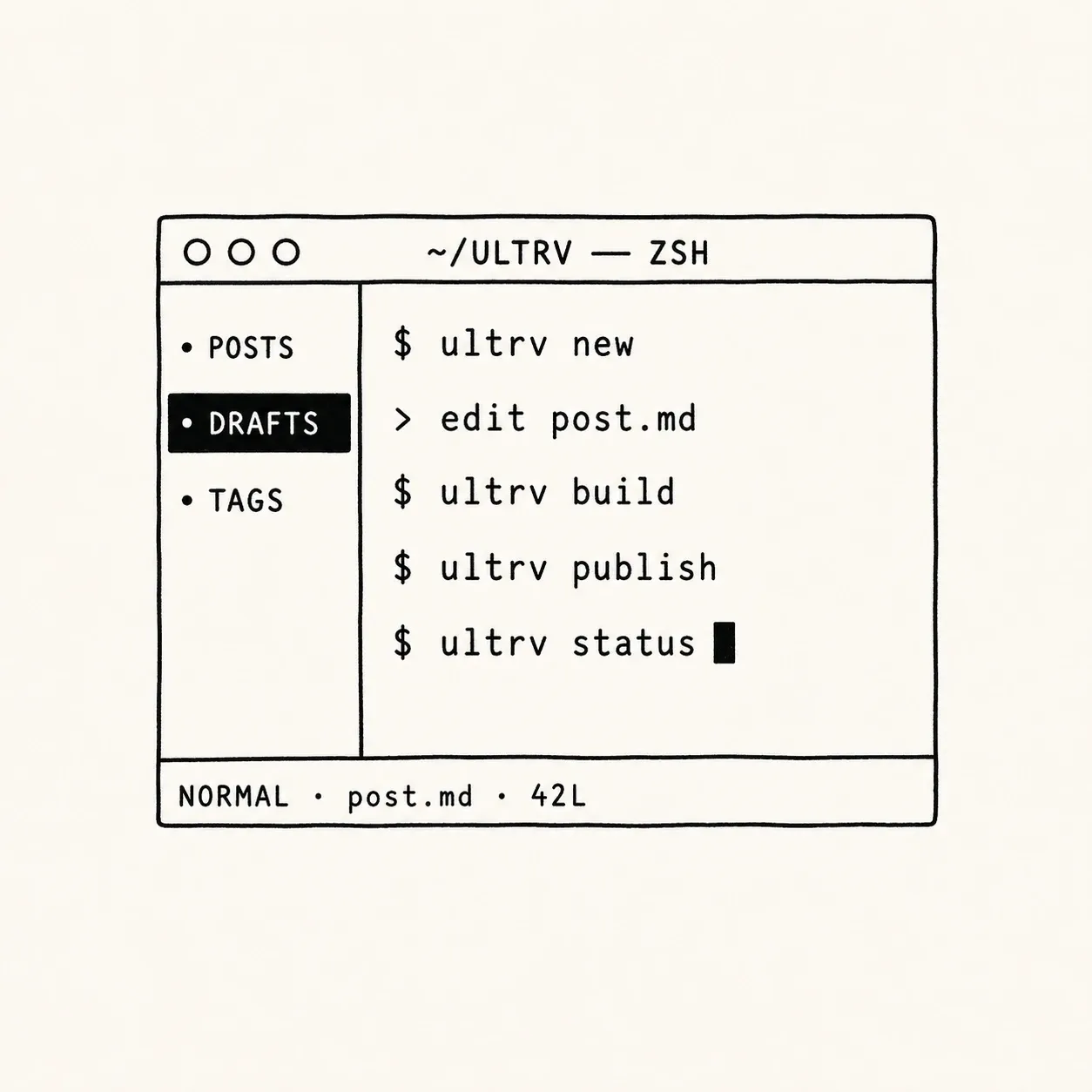
Prefer the terminal? The ULTRV terminal blogging client is a real TUI, written in Rust, installed with one line of shell.


The first ten minutes

What setting up actually involves.

Signing up takes an email address and a password. No credit card, no sales call, no waiting list. You choose a name for the blog and it exists straight away at yourname.ultrv.blog. If you already own a domain, point a CNAME or A record at it in the same sitting — custom domains are included on every plan, the free one included, and the certificate is issued for you.

Then you pick a theme. That takes two minutes rather than an afternoon, because switching is one click and reversible, so there is no decision here worth agonising over. Write the first post in the editor, press publish, and the RSS, Atom, and JSON feeds already exist — nothing to install, nothing to configure. If you want the longer version, the getting started guide walks through the same path with the details filled in.

If your writing currently lives somewhere else, do that part first. Importing from WordPress, Substack, Ghost, Medium, or a folder of Markdown files pulls posts, drafts, and tags across in one pass. Running it twice doesn't duplicate anything, and if the result isn't what you wanted, one click puts it back the way it was.


Highlights

A few things ULTRV does differently.

  • Line drawing of an open photo album, a handwritten lemon olive oil cake recipe card, a stack of books labelled Essays, Walker Percy, Virginia Woolf and The Geometry of Pasta, and a folded guestbook card.

    More than posts

    A blog doesn't have to be a column of dated entries. The other things get their own pages.

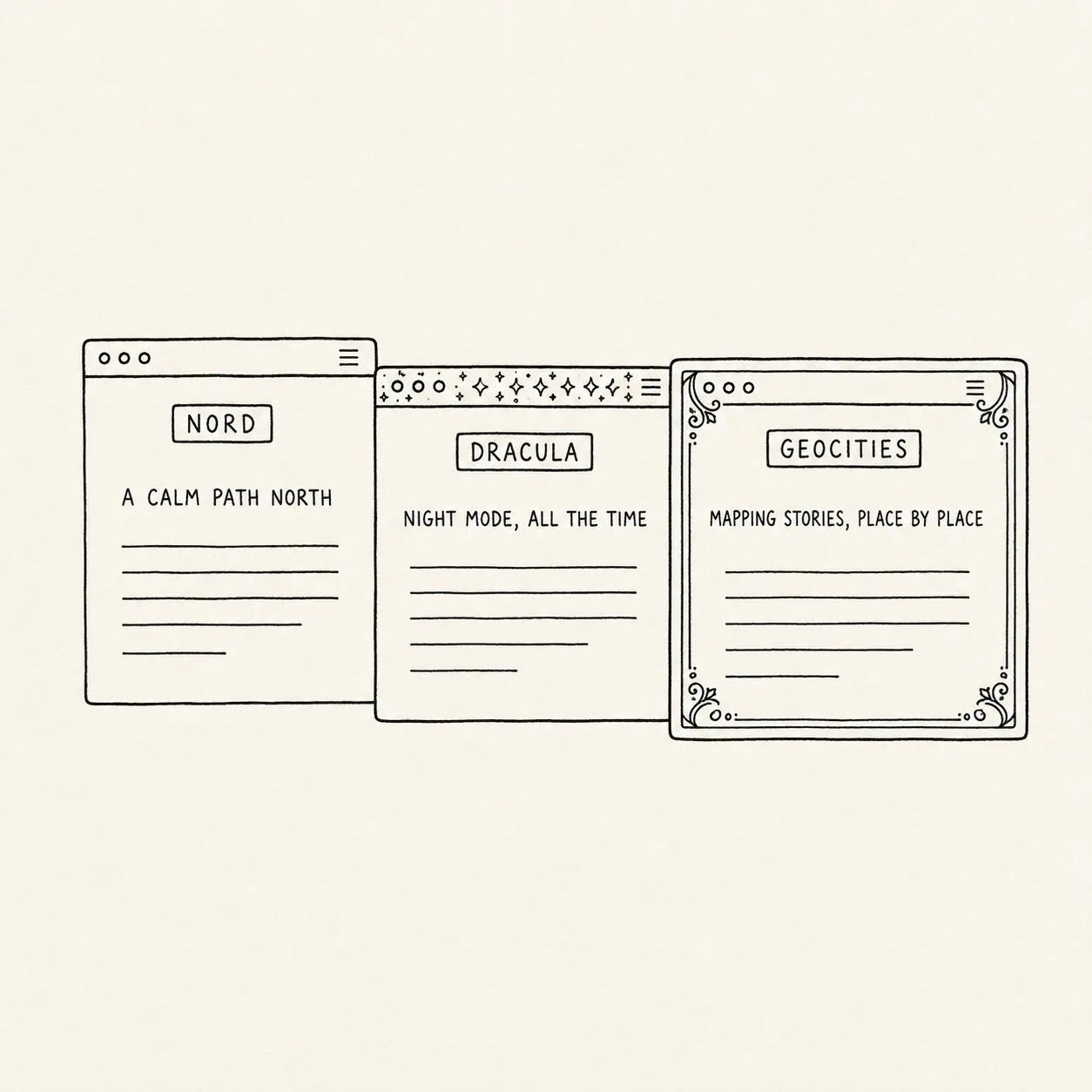
  • Line drawing of three overlapping browser windows in different styles, labelled Nord, Dracula and GeoCities: one plain, one bordered with small stars, one inside an ornate frame.

    Eighty-four themes

    Pick a look in one click. Change your mind again next March.

  • Line drawing of a terminal window titled ~/ULTRV — ZSH, with a sidebar listing posts, drafts and tags beside a column of ultrv commands: new, build, publish, status.

    Terminal client

    If you already live in the shell, you never have to open a browser.

  • Single continuous line drawing of a globe with a line running from it to a blank luggage tag and a small padlock.

    Your own domain

    Bring a domain you already own. It costs nothing extra, on any plan.

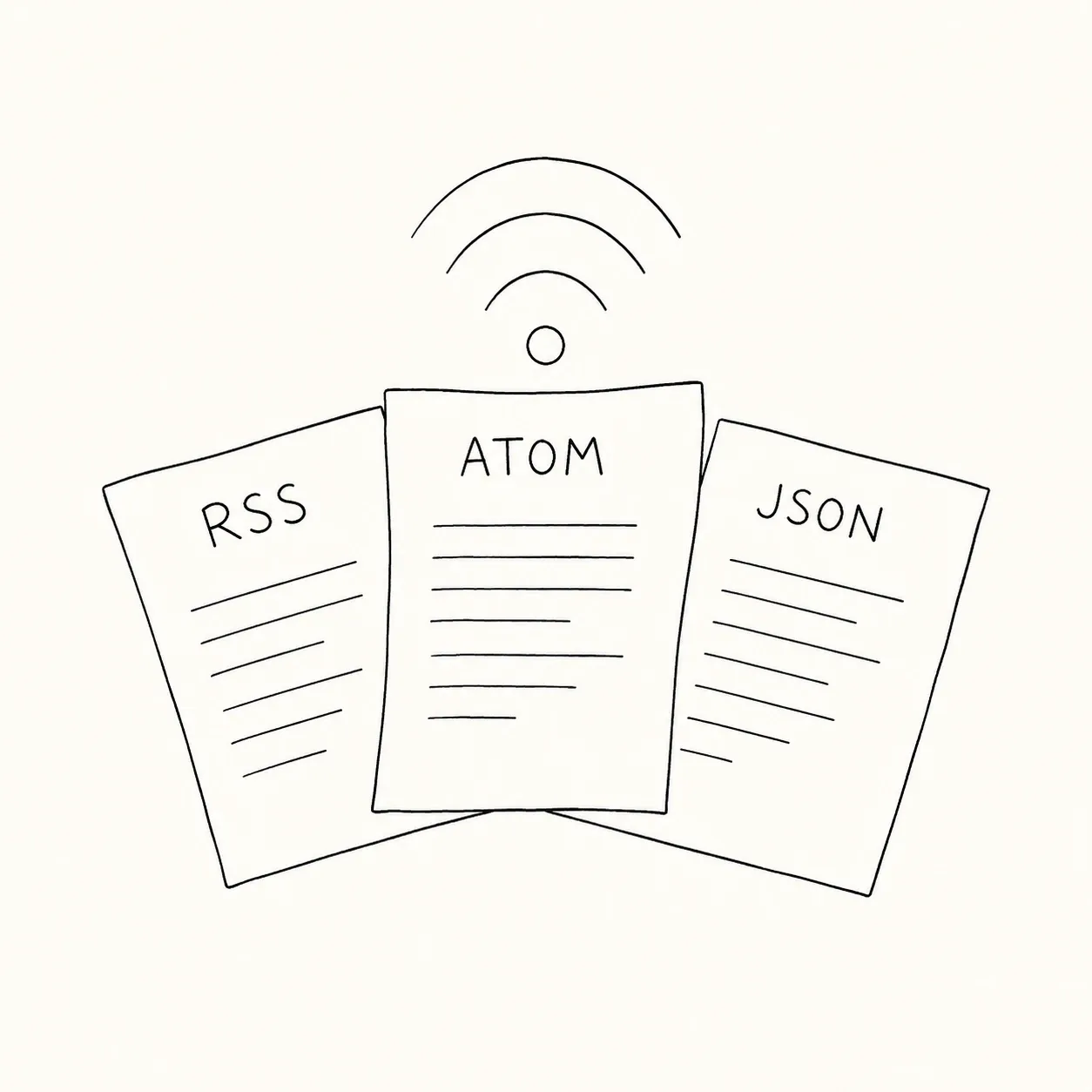
  • Line drawing of three sheets of paper fanned out, labelled RSS, Atom and JSON, with a broadcast arc rising above them.

    RSS, Atom, JSON

    Readers follow you in whatever reader they prefer, without an account.

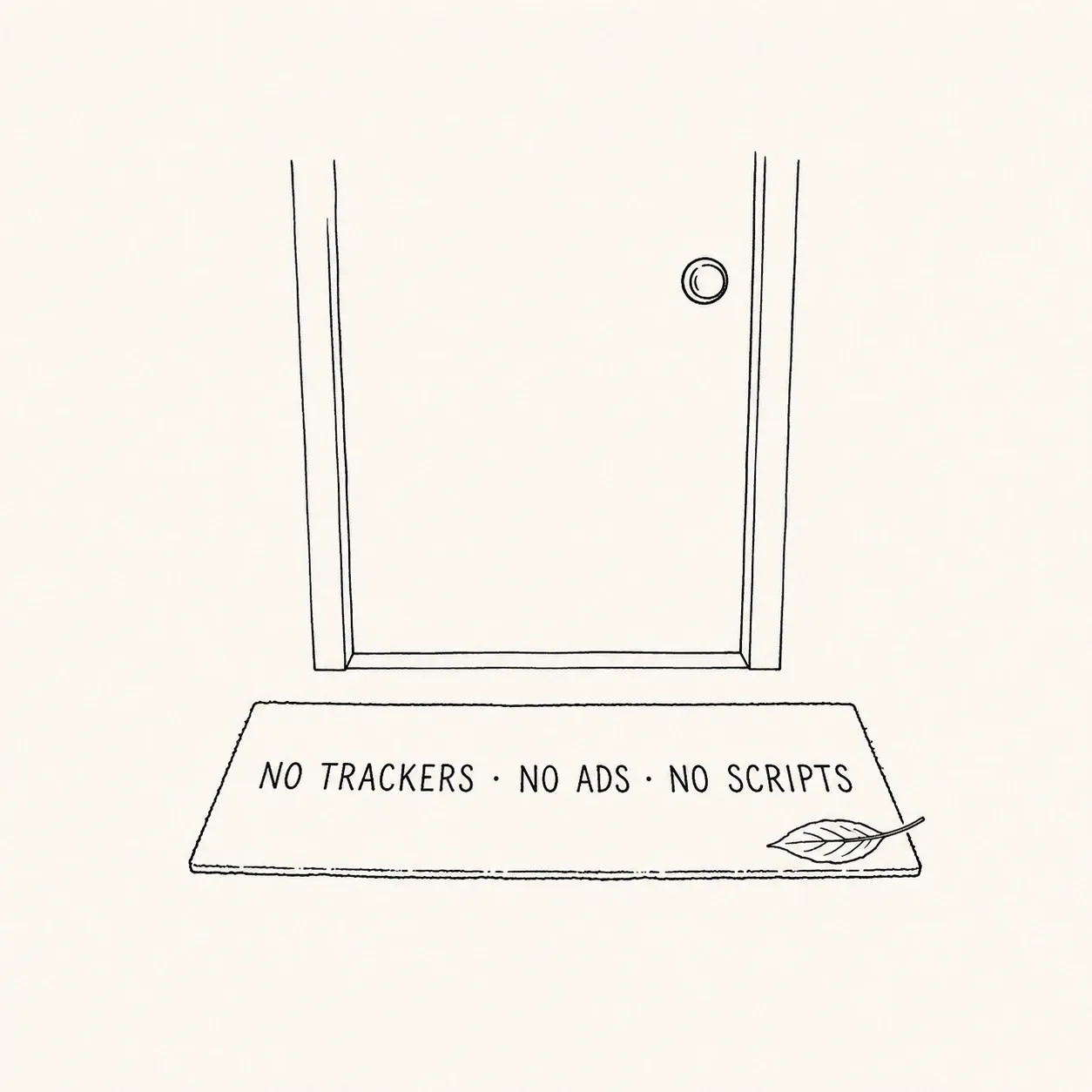
  • Line drawing of an open doorway with a doormat in front of it reading "no trackers · no ads · no scripts", a single leaf resting on one corner.

    No trackers, no ads

    Nobody is watching your readers. Not us, and not anyone we sold access to.

See all features →


Who it's for

And who is better served elsewhere.

ULTRV suits people who have something to write and no interest in running a website. Essayists and diarists. Developers keeping a work log. People with a recipe habit, a garden, a reading list, a band, a long-running argument with themselves about films. Anyone who kept a blog in 2009 and has been vaguely missing it since.

It suits people leaving somewhere bigger, too. If you have been weighing up Substack, Ghost, WordPress, or Bear Blog and none of them quite fits, the comparisons with other blogging platforms set out where each one is genuinely better and where ULTRV is. They are written to help you pick correctly, including when the answer is not us.

There is a list of things ULTRV deliberately doesn't do, and it is worth reading before you sign up. No email delivery and no newsletter list: readers follow you with a feed, not by handing over an address. No paid subscriptions, no paywalls, no member billing, so nobody takes a cut of anything. No plugin marketplace — that is the price of never having to update or patch anything yourself. The stats you do get are deliberately shallow: views, visitors, top posts and referrers over a chosen window, counted with an anonymised hash and no stored IP addresses, and nothing that follows a reader anywhere. Some of that is permanent by design; the roadmap says what is actually being worked on.


The long view

Why ULTRV will still be here when you come back.

Line drawing of a lighthouse on a low cliff behind a wire fence, a small sign on the fence reading ULTRV, and a single bird crossing the empty sky.

ULTRV is funded by the people who use it. The numbers add up at the size we are now. We don't need to be ten times bigger next year to keep the lights on, and we don't have to chase a market we don't believe in. No ads, no investors, no growth targets pulling the product somewhere weird.

This is the work we want to be doing, full stop. ULTRV isn't a side project, an experiment, or a stepping stone to something bigger. We're here, and we're not going anywhere. The server bills are paid for the next ten years.

It runs on the solid, well-trodden parts of the web. Plain HTML for your blog, RSS for your feeds, a standard database on standard servers. The kind of technology that's been doing this same job for twenty years and will keep doing it for twenty more. Nothing here depends on the JavaScript framework of the month.

Your writing is yours, by default and forever. Hit export and you get a folder: HTML, images, feeds, ready to host anywhere. That's a permanent commitment, baked into the platform.